
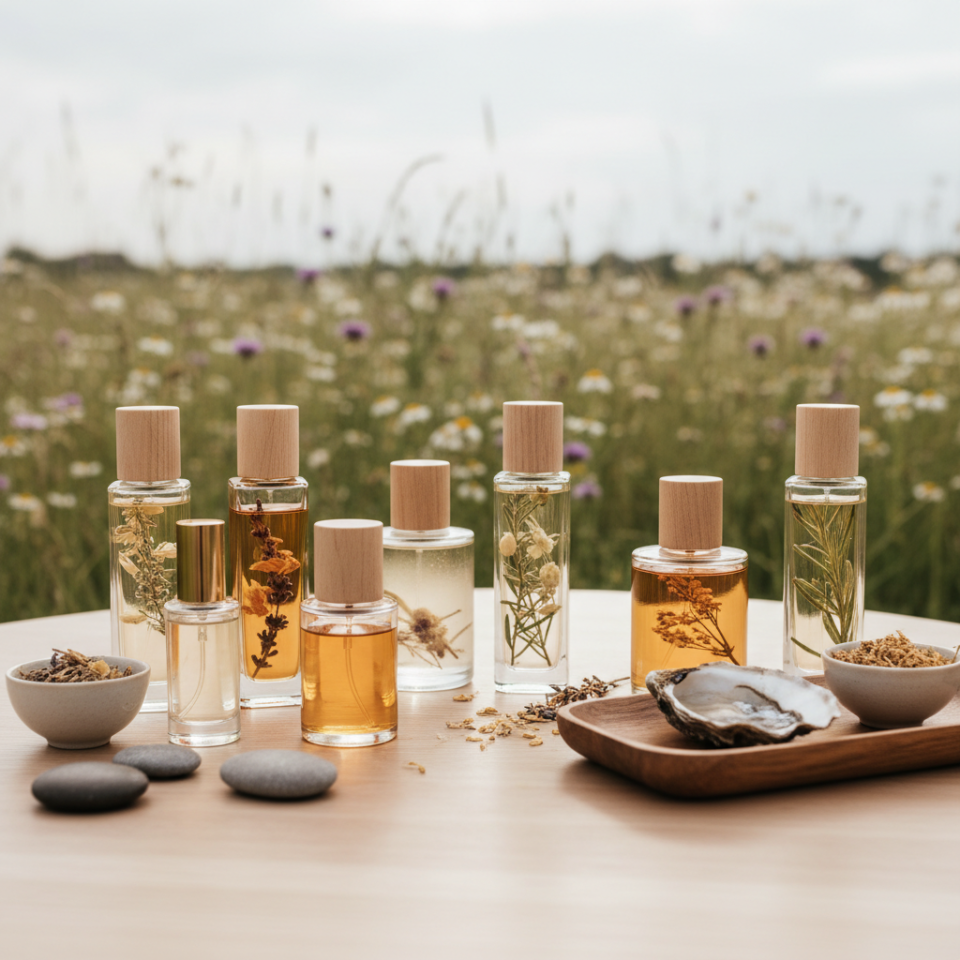
If you’ve ever tried to find a truly natural fragrance, you already know how overwhelming the search can be. Most mainstream perfumes are built on a foundation of synthetic musks, petrochemical solvents, and undisclosed “fragrance” compounds that tell you almost nothing about what you’re actually putting on your skin. The growing use botanical ingredients, essential oils, and plant-based isolates to create genuinely transparent scents.
If you’re looking for a curated list of the best options already available, our guide to the 10 best natural and organic perfumes is a great place to start alongside this deeper look at the brands behind the bottles.
This article focuses on ten of the most respected all natural perfume brands operating today, what makes each one distinctive, and what to look for when you’re navigating this increasingly rich corner of the fragrance world.
Key Takeaways
- All natural perfumes use plant-derived ingredients like essential oils, absol compared to synthetic ones, which is a trade-off worth understanding before you buy
- Many of the best natural perfume brands are small, independent, and artisan-run, meaning quality and ethics are often baked into their business model
- Transparency in ingredient sourcing is one of the clearest signs of a genuinely natural perfume brand
- Natural fragrances can still cause skin sensitivity, particularly from high concentrations of citrus or floral essential oils
- Price points are typically higher for natural perfumes due to the cost of raw botanical materials
- The natural perfume categoryume Truly “All Natural”?
Before diving into the brands, it helps to understand what separates a natural perfume from a conventional one. A
- Natural isolates derived from plant sources, such as linalool from lavender or eugenol from cloves
- Carrier bases like organic alcohol, jojoba oil, or fractionated coconut oil
What natural perfumes do not contain are synthetic aroma chemicals, synthetic musks, petrochemical solvents, or phthalates. Some brands go further by also pursuing cruelty-free, vegan, or sustainably sourced certifications.
For a broader understanding of how to evaluate natural ingredients across your entire beauty routine, the complete beginner’s guide to natural and organic skincare products offers useful context on reading labels and understanding certifications.
The Top 10 All Natural Perfume Brands
1. Abel
Abel is a New Zealand-born, Amsterdam-based brand that has become one of the most recognized names in natural perfumery. Their approach is rooted in radical transparency: every formula is fully disclosed, and all ingredients are 100% natural. Abel uses a certified organic alcohol base and works with a small number of perfumers who share their values. Their scents range from bright, green compositions to warmer, more resinous profiles, and they’ve built a loyal following among people who want natural fragrance without sacrificing sophistication.
2. Hiram Green
Hiram Green is a solo perfumer based in the Netherlands who creates small-batch natural perfumes with a strong and precious ingredients like orris root, oud, and vintage musks. The brand is admired within the natural fragrance community for its artistic integrity and the sheer quality of its materials.
3. Heretic Parfum
Heretic Parfum takes a slightly different approach by blending natural and organic ingredients with a distinctly modern, sometimes irreverent aesthetic. Founded by Douglas Little, the brand has positioned itself at the intersection of clean beauty and fine fragrance. Their formulas are free from synthetic aroma chemicals and are built on a base of certified organic alcohol. Heretic is particularly well regarded for its gourmand and earthy compositions.
4. Aftelier Perfumes
Mandy Aftel is one of the most influential figures in natural perfumery, and her brand Aftelier Perfumes reflects decades of expertise and a deep reverence for botanical materials. Based in Berkeley, California, Aftelier creates handcrafted perfumes in very small batches using the finest natural ingredients available. Aftel is also an author and educator, and her work has helped define the vocabulary and standards of the modern natural perfume movement.
5. House of Matriarch
House of Matriarch is a Seattle-based luxury natural perfume house founded by Christi Meshell. The brand uses only wild, organic, or sustainably farmed ingredients and is known for its bold, complex compositions that push the boundaries of what natural perfumery can achieve. House of Matriarch has earned recognition from high-profile publications and is frequently cited as one of the most ambitious natural fragrance brands in the world.
6. Strange Invisible Perfumes
Strange Invisible Perfumes, founded by Alexandra Balahoutis in Venice, California, has been a pioneer in the natural perfume space since the early 2000s. The brand uses biodynamic and wildcrafted botanicals and is committed to sustainability throughout its supply chain. Their fragrances are often described as deeply evocative and grounded, drawing on the natural world in a way that feels both earthy and refined.
7. Providence Perfume Co.
Charna Ethier, the founder of Providence Perfume Co., is a trained aromatherapist and natural perfumer based in Rhode Island. Her brand is known for its approachable, wearable compositions that still maintain a high standard of ingredient quality. Providence Perfume Co. is a great entry point for people new to natural fragrance, offering a range of scents that feel familiar and accessible without relying on synthetic shortcuts.
8. Wit & West Perfumes
Wit & West is a small-batch natural perfume studio based in Colorado, founded by perfumer Mindy Yang. The brand focuses on artisan craftsmanship and uses only natural and botanical ingredients. Their scents tend to be inspired by landscapes and the natural environment, with compositions that feel grounded and contemplative. Wit & West is a quieter name in the space but consistently praised by those who discover it.
9. Ffern
Ffern is a UK-based natural fragrance brand with a distinctive seasonal model: they release one new fragrance per season, available only to members on their waiting list. Each fragrance is made with natural ingredients and packaged in a refillable glass bottle, reflecting a genuine commitment to sustainability. Ffern’s approach is slow, intentional, and entirely at odds with the churn of mainstream fragrance releases, which has earned them a devoted following.
10. Prosody London
Prosody London is a British natural perfume brand that combines fine fragrance tradition with a strong ethical framework. Their perfumes are made with certified organic and natural ingredients, and the brand holds several sustainability certifications. Prosody is also notable for its commitment to skin health, formulating without known allergens where possible and Netherlands | Rare materials, traditional craft | Fragrance connoisseurs |
| Heretic Parfum | USA | Modern aesthetics, organic base | Clean beauty crossover |
| Aftelier Perfumes | USA | Botanical expertise, small batch | Artisan fragrance lovers |
| House of Matriarch | USA buyers | ||
| Providence Perfume | USA | Approachable, aromatherapy roots | Natural fragrance beginners |
| Wit & West | USA | Landscape-inspired, artisan | Understated, nature-inspired wearers |
| Ffern | UK | Seasonal, sustainable, membership | Intentional, slow beauty fans |
| Prosody London | UK | Organic certified, allergen-aware | Sensitive skin, ethical shoppers |
What to Consider When Choosing a Natural Perfume
Not all natural perfumes perform the same way, and setting realistic expectations will make the experience much more satisfying.
Longevity and projection are typically that natural perfumes evolve beautifully on the skin over several hours rather than projecting a single loud note.
**Batch rose absolute from one year may smell slightly different from the next, which many enthusiasts consider part of the appeal.
Skin sensitivity is worth considering. Natural does not automatically mean hypoallergenic. Certain essential
| Factor | Natural Perfume | Synthetic Perfume |
|---|---|---|
| Longevity | Moderate (3-6 hours typical) | Long (6-12+ hours) |
| Projection | Soft to moderate | Moderate to strong |
| Ingredient transparency | Often high | Often low |
| Environmental impact | Generally lower | Generally higher |
| Price per ml | Higher | Lower |
| Batch consistency | Variable | Consistent |
If you’re also exploring other aspects of a natural beauty routine, it’s worth reading about organic skincare routine essentials and even organic deodorants that actually work to build a more complete picture of clean personal care. And if you’re curious about how trending botanical ingredients are showing up across beauty products more broadly, this look at trending natural ingredients in moisturizers is worth a read.
Conclusion
The world of all natural perfumery is rich, diverse, and growing. The ten brands covered here represent some of the most thoughtful and skilled work being done in this space, from pioneering solo perfumers like Mandy Aftel and Hiram Green to forward-thinking brands like Ffern and Prosody London that are rethinking how fragrance is made, sold, and experienced. Whether you’re new to natural fragrance or deepening an existing appreciation, these brands offer a genuine alternative to the synthetic-heavy mainstream, one that is more transparent, more connected to the natural world, and often more interesting to wear.
FAQs
Are all natural perfumes better for sensitive skin?
Not necessarily. Natural ingredients like sensitive skin, look for brands that disclose full ingredient lists and avoid known irritants.
Do natural perfumes last as long as regular perfumes?
Generally, natural perfumes have shorter longevity because they lack the synthetic fixatives found in conventional fragrances. Most last between three and six hours, though this varies by formula and skin type.
What does “all natural” mean on a perfume label?
There is no universal legal standard for the term “all natural” in fragrance. It typically means the brand uses only plant-derived ingredients, but it’s worth checking for third-party certifications or full ingredient disclosure to verify the claim.
Are natural perfumes vegan?
Many are, but not all. Some natural perfumes use animal-derived ingredients like beeswax absolute, ambergris, or civet. Brands that are explicitly vegan will usually state this clearly on their website or packaging.
Why are natural perfumes more expensive?
The raw botanical materials used in natural perfumery, such as rose absolute, oud, and orris root, are significantly more costly to produce than synthetic aroma chemicals. Small batch production and ethical sourcing also contribute to higher price points.
This article was last updated on August 12, 2026 .