
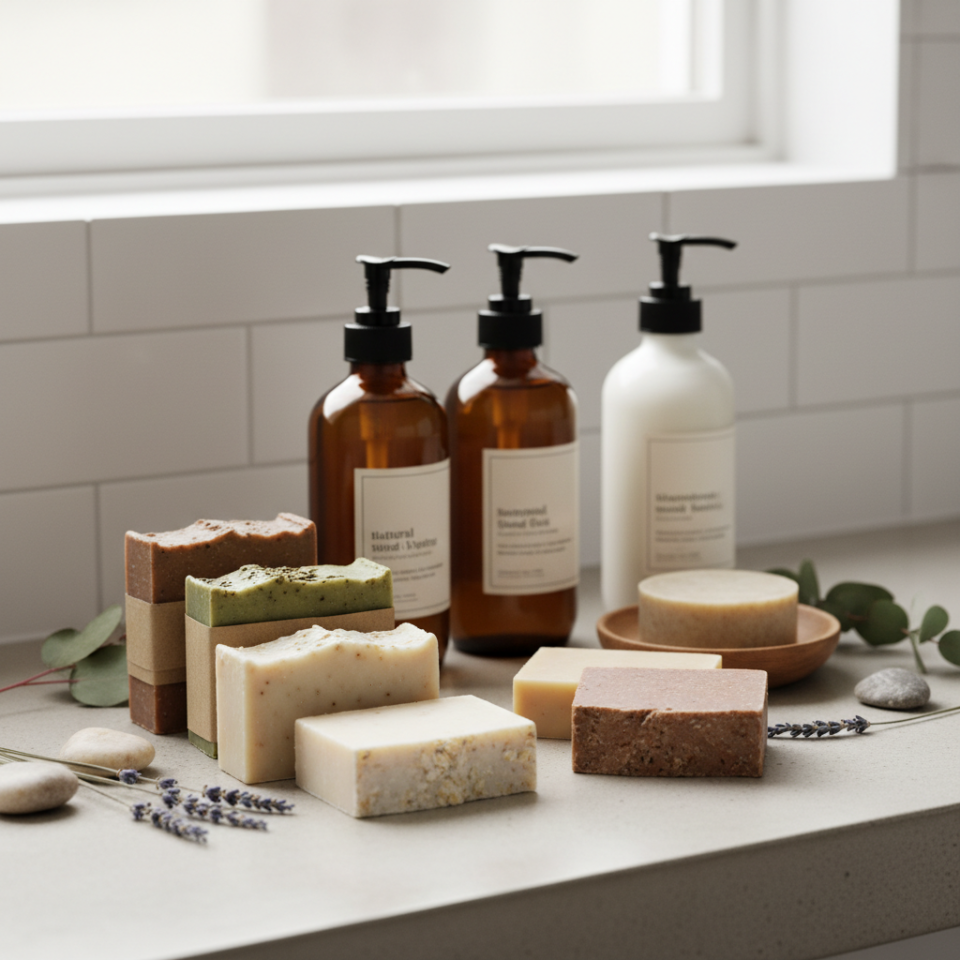
When it comes to what you put on your skin every single day, the soap you choose matters more than most people realize. Conventional soaps often contain synthetic fragrances, parabens, sulfates, and petroleum-derived ingredients that can strip the skin’s natural barrier and cause irritation over time. Organic soaps, on the other hand, are formulated with plant-based, naturally derived ingredients that cleanse gently while supporting skin health.
If you’re just starting your clean beauty journey, our complete beginner’s guide to natural and organic skincare products is a great place to get grounded. And if you’re ready to explore the best options available right now, check out our roundup of the best natural and organic bar soaps for a deeper look.
This article covers ten of the most respected organic soap brands available today, what makes each one stand out, and how to think about choosing the right one for your skin type and values.
Key Takeaways
- Organic soaps use plant-derived, naturally sourced ingredients that are gentler on skin and better for the environment
- Certifications like USDA Organic, Leaping Bunny, and fair trade labels help verify a brand’s claims
- Different brands specialize in different skin needs, from deep moisture to sensitive skin to therapeutic formulations
- Cold-process soap making preserves more of the beneficial nutrients in natural ingredients
- Many top organic soap brands also prioritize ethical sourcing, cruelty-free testing, and sustainable packaging
- Fragrance in organic soaps typically comes from pure essential oils rather than synthetic compounds
- Switching to organic soap can benefit not just your skin but also the water systems your rinse water flows into
What Makes a Soap Truly Organic?
Before diving into specific brands, it helps to understand what “organic” actually means in the context of soap. A truly organic soap uses ingredients that have been grown without synthetic pesticides, herbicides, or genetically modified organisms. Many brands pursue third-party certifications to back up these claims.
Key certifications to look for include:
- USDA Organic: Requires at least 95% certified organic ingredients
- COSMOS Organic: A European standard widely recognized for cosmetic products
- Leaping Bunny: Confirms no animal testing at any stage of production
- Fair Trade Certified: Ensures ethical sourcing and fair wages for farmers
Not every brand on this list carries every certification, but all of them demonstrate a meaningful commitment to cleaner, more responsible formulations.
The Top 10 Organic Soap Brands
1. Dr. Bronner’s
Dr. Bronner’s is arguably the most recognizable name in organic castile soap. Their products are certified fair trade and made with organic oils including coconut, olive, and hemp. What sets Dr. Bronner’s apart is the sheer versatility of their formulas. A single bottle of their liquid castile soap can be used as a body wash, shampoo, household cleaner, and even a pet wash.
Their bar soaps follow the same philosophy, delivering a rich, moisturizing lather without synthetic detergents. The brand is also deeply committed to regenerative organic agriculture and environmental activism.
2. Lush
Lush takes a distinctive approach by offering handmade, preservative-free solid soap bars that are packed with fresh, natural ingredients. Many of their soaps are vegetarian or vegan, and the brand is well known for its strong stance against animal testing.
Because their products are made in small batches and often contain fresh fruits, vegetables, and plant butters, they have a shorter shelf life than conventional soaps. That freshness, however, is part of the appeal. Lush also deserves credit for pioneering the “naked” packaging movement, reducing plastic waste significantly skin. Their soaps are particularly well suited for dry, sensitive, or melanin-rich skin types that benefit from extra moisture and gentle cleansing.
The brand sources its shea butter through the Sundial Growers Cooperative in Ghana, supporting women farmers with fair wages and community development programs. Their bar soaps often include complementary ingredients like oats, honey, and African black soap, creating formulas that feel both functional and luxurious.
4. Faith in Nature
Faith in Nature is a UK-based brand that has been making plant-derived, cruelty-free personal care products since 1974. Their soaps are free from parabens, SLS, and artificial colors, and they use certified organic botanicals where possible.
What makes Faith in Nature particularly appealing is their use of natural aromas from essential oils rather than synthetic fragrances. Their product range is also packaged in recycled and recyclable materials, making them a solid choice for eco-conscious consumers.
5. Crate 61
Crate 61 is a Canadian brand that cold-processes their bar soaps using certified organic ingredients and pure essential oils. Cold processing is significant because it preserves the glycerin naturally produced during saponification, which helps keep skin moisturized after washing.
For a more detailed look at what this brand offers, read our Crate 61 Organics bar soap review. Their soaps are vegan, palm oil-free, and free from synthetic additives, making them one of the cleaner options in the premium bar soap category.
6. The Honest Company
Founded with a focus on baby and family-safe products, The Honest Company produces dermatologist-tested, hypoallergenic soaps that are free from harsh chemicals, dyes, and synthetic fragrances. Their organic liquid and bar soaps are designed for the most sensitive skin types, including newborns.
The brand holds itself to a strict “No List” of over 2,500 questionable ingredients it refuses to use. For parents transitioning to cleaner household products, The Honest Company offers an accessible and trustworthy entry point.
7. Tom’s of Maine
Tom’s of Maine is best known for its natural toothpaste, but their bar soaps deserve equal recognition. Formulated with certified organic botanicals including raw shea butter and coconut oil, their soaps provide effective cleansing without stripping the skin’s natural oils.
Tom’s uses a straightforward ingredient list that is easy to read and understand, which is always a good sign. The brand is also a certified B Corporation, meaning it meets high standards for social and environmental performance, accountability, and transparency.
8. Alevia
Alevia is a lesser-known but impressive brand that crafts premium organic liquid and bar soaps using therapeutic-grade essential oils and concentrated plant extracts. Their formulations tend to be more targeted, with specific blends designed to address concerns like inflammation, dryness, or skin sensitivity.
Alevia’s commitment to quality experience, this brand is worth exploring.
9. Kirk’s
Kirk’s has been producing natural castile soap since 1839, making it one of the oldest names on this list. Their coco castile formula is hypoallergenic, biodegradable, and free from synthetic fragrances and dyes. The simplicity of Kirk’s soaps is their greatest strength.
With a minimal ingredient list built around coconut oil, Kirk’s soaps are well tolerated by people with allergies, eczema, or reactive skin. They are also one of the more affordable options in the organic soap space, making clean cleansing accessible without a premium price tag.
10. Nubian Heritage
Nubian Heritage draws on African healing traditions and cultural wellness philosophies to create soaps that feel intentional and deeply nourishing. Their formulations often feature ingredients like African black soap, honey, black seed oil, and shea butter, all of which have long histories of use in traditional skincare.
The brand is committed to community commerce, reinvesting in the communities where their ingredients are sourced. Their soaps are free from parabens, mineral oil, and petroleum, and they offer a wide range of scent profiles and skin benefits.
Comparison Table: At a Glance
| Brand | Best For | Key Organic Ingredients | Vegan Friendly |
|---|---|---|---|
| Dr. Bronner’s | Multi-use versatility | Coconut, olive, hemp oil | Yes |
| Lush | Fresh, handmade formulas | Shea butter, essential oils | Most products |
| SheaMoisture | Dry and sensitive skin | Organic shea butter, oats | Most products |
| Faith in Nature | Eco-conscious shoppers | Botanical extracts, essential oils | Yes |
| Crate 61 | Clean bar soap | Organic oils, essential oils | Yes |
| The Honest Company | Babies and sensitive skin | Organic botanicals | Yes |
| Tom’s of Maine | Simple, transparent formulas | Shea butter, coconut oil | Yes |
| Alevia | Therapeutic skin concerns | Essential oils, plant extracts | Yes |
| Kirk’s | Allergy-prone skin | Coconut oil | Yes |
| Nubian Heritage | Cultural wellness traditions | Black soap, honey, black seed | Most products |
How to Choose the Right Organic Soap for Your Skin
Knowing the brands is only half the equation. Matching the right formula to your skin type makes a real difference in how your skin feels day to day.
For dry or sensitive skin: Look for soaps with shea butter, oat extract, or coconut oil as primary ingredients. SheaMoisture, Kirk’s, and Tom’s of Maine are strong choices here.
For oily or acne-prone skin: Soaps with tea tree oil, activated charcoal, or African black soap can help balance sebum production without over-drying. Nubian Heritage and Dr. Bronner’s offer good options in this category. You might also find our guide to organic acne face and body wash helpful.
For those focused on sustainability: Lush’s naked packaging and Faith in Nature’s recycled materials make them standouts for eco-conscious consumers.
For fragrance sensitivity: Kirk’s unscented castile soap and The Honest Company’s fragrance-free options are ideal.
Ingredient Transparency: What to Watch For
Even within the organic soap category, ingredient quality varies. When evaluating any soap, look at the full ingredient list and ask:
- Are the key oils certified organic?
- Does the fragrance come from essential oils or synthetic compounds?
- Is the soap free from SLS, parabens, and artificial dyes?
- Has the formula been tested on animals?
Understanding what you’re reading on a label connects directly to broader skincare literacy. If you want to deepen your knowledge of what goes into natural products, our guide to what is organic shaving cream and what to look for applies many of the same principles to another category of personal care products.
Certification and Ethics Comparison
| Brand | USDA/Cosmos Organic | Cruelty-Free | Fair Trade | B Corp |
|---|---|---|---|---|
| Dr. Bronner’s | Yes | Yes | Yes | No |
| Lush | Partial | Yes | No | No |
| SheaMoisture | Partial | Yes | Yes | No |
| Faith in Nature | Partial | Yes | No | No |
| Crate 61 | Yes | Yes | No | No |
| The Honest Company | Partial | Yes | No | No |
| Tom’s of Maine | Partial | Yes | No | Yes |
| Alevia | Yes | Yes | No | No |
| Kirk’s | Partial | Yes | No | No |
| Nubian Heritage | Partial | Yes | Yes | No |
Conclusion
Choosing an organic soap brand is about more than just avoiding harmful chemicals. It’s about aligning your daily habits with your values around skin health, environmental responsibility, and ethical sourcing. Each of the ten brands covered here brings something distinct to the table, whether that’s Dr. Bronner’s legendary versatility, Nubian Heritage’s cultural depth, or Kirk’s decades of hypoallergenic simplicity.
The best approach is to start with your skin’s specific needs, check ingredient lists carefully, and look for third-party certifications that validate the claims on the label. As your knowledge of clean beauty grows, you’ll find it easier to navigate the expanding world of natural personal care. Our organic skincare routine essentials guide is a helpful next step if you want to build a full routine around the clean products you choose.
Frequently Asked Questions
What is the difference between natural and organic soap?
Natural soap is made with ingredients derived from nature, but those ingredients may still have been grown with pesticides. Organic soap specifically uses ingredients certified to have been grown without synthetic chemicals, and this is usually verified by a third-party certifying body.
Are organic soaps better for sensitive skin?
Generally, yes. Organic soaps tend to avoid common irritants like synthetic fragrances, sulfates, and artificial dyes, which are frequent triggers for sensitive or reactive skin. However, even natural ingredients like essential oils can cause reactions in some people, so patch testing is still a good idea.
Is cold-process soap better than commercially made soap?
Cold-process soap retains naturally occurring glycerin, which helps moisturize the skin during and after washing. Many commercial soaps have the glycerin removed for use in other products, which can leave skin feeling dry. Cold-process methods also tend to preserve more of the beneficial properties of the oils used.
How can I tell if an organic soap brand is genuinely clean?
Look for third-party certifications such as USDA Organic, COSMOS Organic, or Leaping Bunny. Read the full ingredient list rather than relying solely on front-label claims, and research whether the brand has a published “no list” of ingredients they refuse to use.
Do organic soaps lather as well as conventional soaps?
Yes, though the lather may feel different. Organic soaps made with coconut oil or castile formulas produce a rich, creamy lather. The absence of synthetic surfactants like SLS means the bubbles may be slightly less foamy, but the cleansing effectiveness is comparable and often gentler on the skin.
This article was last updated on August 11, 2026 .