
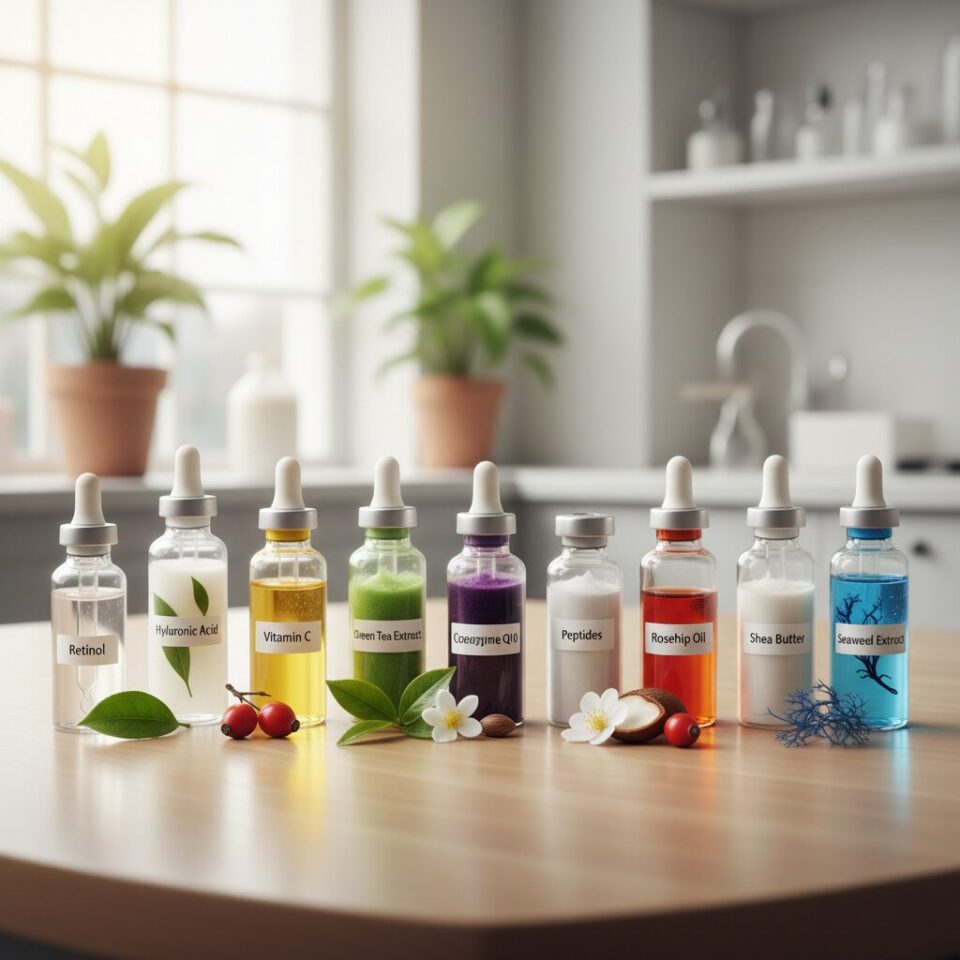
Finding an effective anti-aging moisturizer can feel overwhelming when every product promises miraculous results. The secret to cutting through the noise? Learning to read labels. The right actives can genuinely transform your skin over time, while others are little more than marketing fluff. Before you invest in your next jar, check out our roundup of the best natural and organic anti-wrinkle creams to see these ingredients in action across top-rated formulas.
This guide breaks down the ten most effective anti-wrinkle cream ingredients backed by science, explaining what each one does, how it works, and who should be using it.
Key Takeaways
- Retinol and its alternatives remain among the most clinically supported ingredients for reducing fine lines and improving skin texture
- Hyaluronic acid works by drawing moisture into the skin, which temporarily plumps the appearance of wrinkles
- Peptides signal the skin to produce more collagen, making them ideal for long-term anti-aging routines
- Vitamin C is a powerful antioxidant that protects against environmental aging and brightens uneven skin tone
- Natural ingredients like bakuchiol and rosehip oil offer gentler alternatives to synthetic actives without sacrificing results
- Consistency matters more than concentration, so using these ingredients regularly is key to seeing real change
- Not all skin types respond the same way, so layering multiple complementary ingredients often yields the best outcomes
Why Ingredients Matter More Than Brand Names
Skincare marketing is sophisticated, and it is easy to be swayed by elegant packaging or celebrity endorsements. But the actual performance of any cream comes down to its formulation. Two products at very different price points might contain identical actives in similar concentrations, while a premium product might rely on fragrance and filler to justify its cost.
Understanding which ingredients genuinely work gives you the power to shop smarter and build a routine that delivers real results over time.
The Top 10 Anti-Wrinkle Cream Ingredients
1. Retinol
Retinol is arguably the gold standard in anti-aging skincare. A derivative of vitamin A, it accelerates cell turnover, stimulates collagen production, and reduces the appearance of fine lines, deep wrinkles, and uneven pigmentation. Decades of clinical research support its effectiveness, and dermatologists consistently recommend it as a first-line treatment for visible aging.
It does come with a caveat: retinol can cause irritation, dryness, and sensitivity, particularly for beginners or those with reactive skin. Starting with a low concentration (0.025% to 0.05%) and gradually increasing is the standard approach.
2. Bakuchiol
For those who find retinol too harsh, bakuchiol is the natural alternative worth knowing. Derived from the seeds of the Psoralea corylifolia plant, bakuchiol mimics the cellular effects of retinol without the irritation. Clinical studies have shown it to be comparable in reducing fine lines and improving skin firmness, making it a genuine contender rather than just a trendy buzzword.
It is suitable for sensitive skin, pregnant women, and anyone who has struggled with retinol sensitivity. You can read more about how natural retinol alternatives are reshaping the skincare landscape in our post on natural retinol alternatives.
3. Hyaluronic Acid
Hyaluronic acid is one of the most effective hydrating ingredients available. It is a naturally occurring molecule in the body that can hold up to 1,000 times its weight in water. When applied topically, it draws moisture from the environment and deeper layers skin into the surface, creating a visible plumping effect that softens the look of fine lines.
It works across all skin types, including oily and acne-prone skin, and layers seamlessly under other actives. Look for formulas that contain multiple molecular weights of hyaluronic acid for deeper and more sustained hydration.
4. Vitamin C (L-Ascorbic Acid)
Vitamin C is a potent antioxidant that neutralizes free radicals caused by UV exposure and environmental pollution, two of the primary drivers of premature skin aging. Beyond its protective role, it actively inhibits melanin production to fade dark spots and brightens overall skin tone.
In anti-wrinkle creams, look for L-ascorbic acid (the most bioavailable form) at concentrations between 10% and 20%. Vitamin C is notoriously unstable and degrades quickly when exposed to light and air, so packaging matters. Opt for opaque or airless pump bottles to preserve potency.
5. Peptides
Peptides are short chains of amino acids that act as messengers in the skin. When applied topically, they signal fibroblasts to produce more collagen and elastin, the structural proteins responsible for firm, resilient skin. Unlike retinol, peptides are gentle enough for daily use on all skin types, including sensitive skin.
Common peptides found in anti-aging formulas include Matrixyl (palmitoyl pentapeptide-4), Argireline (acetyl hexapeptide-3), and copper peptides. Each works slightly differently, but all contribute to improving skin firmness and reducing the depth of wrinkles over time.
6. Niacinamide
Niacinamide, also known as vitamin B3, is one of the most versatile and well-tolerated ingredients in skincare. It strengthens the skin barrier, reduces water loss, minimizes the appearance of pores, and improves uneven skin tone. In the context of anti-aging, it also stimulates collagen synthesis and has been shown to reduce the appearance of fine lines with consistent use.
One of its standout qualities is its compatibility with nearly every other active ingredient, including retinol, vitamin C, and acids. For a deeper dive into how this ingredient works, explore our guide on harnessing the power of niacinamide in natural skincare.
7. Rosehip Oil
Rosehip oil is a natural source of trans-retinoic acid (a form of vitamin A), essential fatty acids, and vitamin C. It absorbs quickly, supports skin regeneration, and has been used for centuries to reduce scarring and improve skin texture. In anti-wrinkle applications, it helps restore elasticity and smooths the appearance of fine lines.
It is particularly effective for dry or mature skin types and works well as a final step in an evening routine.
8. Alpha Hydroxy Acids (AHAs)
AHAs such as glycolic acid and lactic acid exfoliate the surface of the skin by dissolving the bonds between dead skin cells. This process reveals fresher, more radiant skin beneath while also stimulating collagen production in the deeper dermis. Regular use improves skin texture, reduces the appearance of fine lines, and enhances the absorption of other active ingredients.
Glycolic acid has the smallest molecular size and penetrates most deeply, while lactic acid is gentler and more hydrating, making it a better option for sensitive skin types.
9. Coenzyme Q10 (CoQ10)
CoQ10 is a naturally occurring antioxidant found in every cell of the body, but its levels decline with age. Topically applied CoQ10 helps neutralize free radicals, supports cellular energy production in the skin, and has been shown to reduce the depth of wrinkles with consistent use. It is particularly effective at protecting against UV-induced skin damage.
It is a gentle ingredient that works well in combination with other antioxidants and is suitable for all skin types.
10. Aloe Vera
Aloe vera is often underestimated in anti-aging discussions, but it earns its place here. It contains polysaccharides, antioxidants, and compounds that stimulate collagen and hyaluronic acid production in the skin. It also soothes inflammation and supports healing, making it an ideal base ingredient in anti-wrinkle formulas.
Its soothing properties make it especially valuable for those using stronger actives like retinol or AHAs, as it can help calm any resulting irritation. Learn more about the benefits of aloe vera gel for your skin and why it deserves a permanent spot in your routine.
Ingredient Comparison Table
| Ingredient | Primary Benefit | Skin Type | Speed of Results |
|---|---|---|---|
| Retinol | Cell turnover, collagen production | Most (avoid if sensitive) | 8-12 weeks |
| Bakuchiol | Gentle retinol alternative | All, including sensitive | 8-12 weeks |
| Hyaluronic Acid | Deep hydration, plumping | All | Immediate |
| Vitamin C | Antioxidant, brightening | All | 4-8 weeks |
| Peptides | Collagen stimulation | All | 8-12 weeks |
| Niacinamide | Barrier repair, tone evening | All | 4-8 weeks |
| Rosehip Oil | Regeneration, elasticity | Dry, mature | 6-10 weeks |
| AHAs | Exfoliation, texture | Most (avoid if sensitive) | 4-6 weeks |
| CoQ10 | Antioxidant protection | All | 8-12 weeks |
| Aloe Vera | Soothing, collagen support | All, especially sensitive | 4-8 weeks |
How to Layer Anti-Wrinkle Ingredients Effectively
Using multiple actives requires some strategy to avoid irritation and ensure each ingredient can do its job.
| Layering Order | Product Type | Examples |
|---|---|---|
| Step 1 | Cleanser | Gentle, pH-balanced wash |
| Step 2 | Toner / Essence | AHA toner, hyaluronic acid mist |
| Step 3 | Serum | Vitamin C (AM), retinol or peptides (PM) |
| Step 4 | Moisturizer | Niacinamide, CoQ10, aloe vera |
| Step 5 | Face oil (PM only) | Rosehip oil |
| Step 6 | SPF (AM only) | Mineral sunscreen |
A few important rules to keep in mind:
- Apply vitamin C in the morning and retinol at night to avoid potential interactions and maximize efficacy
- Always follow AHA use with SPF, as exfoliated skin is more vulnerable to UV damage
- Introduce new actives one at a time and wait two to three weeks before adding another
For a complete framework on building your routine from the ground up, our organic skincare routine essentials guide is a great starting point. to Look for on a Label
When shopping for anti-wrinkle creams, knowing how to read a label is just as ingredients work. Ingredients are listed in descending order of concentration, so the most impactful actives should appear near the top of the list.
Watch out for:
- Fragrance listed high on the label, which can irritate and inflame skin over time
- Vague “complex” names that mask the actual active ingredients inside
- Alcohol denat near the top, which can strip and dry the skin
If you are committed to clean beauty, our guide to natural and organic skincare products for beginners walks you through what to look for and what to avoid when building a natural routine. And if you are ready to explore targeted anti-aging formulas that combine several of these ingredients, our curated list of the best natural anti-aging creams and serums is worth bookmarking.
Conclusion
The best anti-wrinkle cream is one that contains clinically supported ingredients suited to your skin type and used consistently over time. Whether you gravitate toward science-backed synthetics like retinol and AHAs or prefer natural actives like bakuchiol and rosehip oil, the ten ingredients covered here represent some of the most effective tools available for reducing visible signs of aging.
Start with one or two actives, pay attention to how your skin responds, and build from there. Patience and consistency will always outperform chasing the newest trend.
Frequently Asked Questions
What is the most effective anti-wrinkle ingredient?
Retinol has the most extensive clinical research behind it and is widely considered the most effective topical ingredient for reducing wrinkles. However, bakuchiol is a strong natural alternative for those with sensitive skin.
Can I use multiple anti-aging ingredients at once?
Yes, but introduce them gradually and pay attention to how your skin reacts. Some combinations, like vitamin C in the morning and retinol at night, are well-established and complementary.
How long does it take to see results from anti-wrinkle creams?
Most active ingredients require at least four to twelve weeks of consistent use before visible results appear. Hydrating ingredients like hyaluronic acid offer more immediate plumping effects.
Are natural anti-wrinkle ingredients as effective as synthetic ones?
Many natural ingredients have strong scientific support. Bakuchiol, rosehip oil, and aloe vera have all been studied and shown to produce meaningful improvements in skin texture and firmness.
At what age should I start using anti-wrinkle ingredients?
Preventative care can begin in your mid-to-late twenties. Starting with antioxidants like vitamin C and niacinamide early helps protect against environmental damage before visible aging begins.
This article was last updated on June 3, 2026 .