
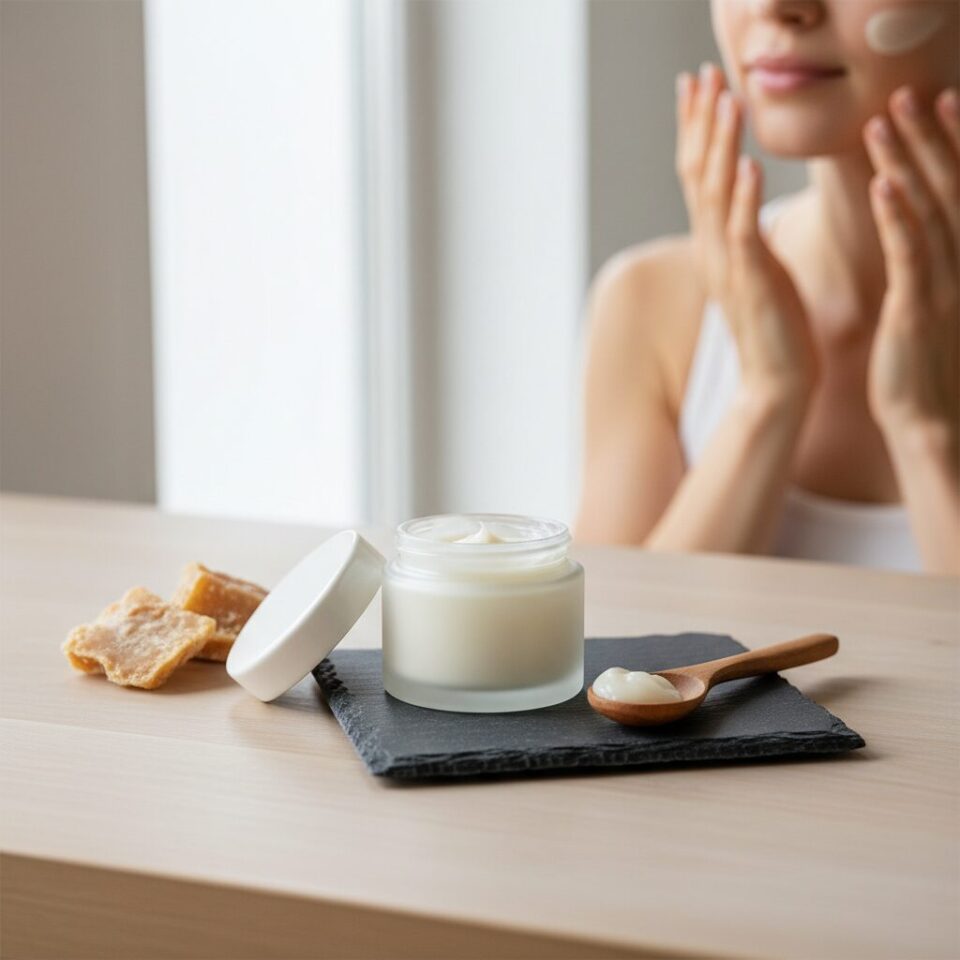
There’s a growing movement in the natural beauty world that’s turning back the clock on skincare, and not in the way you might expect. People are ditching multi-step routines packed with synthetic ingredients in favor of something far more ancestral: beef tallow. If you’ve been exploring the best natural and organic hydrating face creams, you’ve likely started wondering whether simpler, more traditional options might work just as well. But is applying rendered animal fat to your face actually a good idea, or is it just a passing fad?
This article breaks down the science, the benefits, the risks, and everything in between so you can make an informed decision.
Key Takeaways
- Beef tallow is rendered fat from cattle that has been used in skincare for centuries
- Its fatty acid profile closely mirrors the natural sebum produced by human skin
- It contains fat-soluble vitamins A, D, E, and K, which all support skin health
- Tallow is best suited for dry, mature, or sensitive skin types
- It may not be ideal for acne-prone or oily skin types
- Quality and sourcing matter significantly when choosing tallow for your face
- It works as a standalone moisturizer or as a base ingredient in DIY skincare formulations
What Is Beef Tallow?
Beef tallow is fat that has been rendered, or slowly melted down and purified, from cattle. The process removes impurities and water, leaving behind a stable, shelf-stable fat that has been used in cooking, candle-making, and yes, skincare for thousands of years.
Before petroleum-based ingredients and synthetic emollients took over the cosmetics industry in the 20th century, animal fats were a staple in beauty routines. Cold creams, lip balms, and skin salves frequently contained tallow as a primary ingredient. The resurgence of interest in tallow skincare is largely driven by people seeking cleaner, more biocompatible alternatives to modern moisturizers.
Why Tallow Is Considered Skin-Compatible
The Fatty Acid Connection
One of the most compelling arguments for using beef tallow on your face comes down to chemistry. Human sebum, the oil your skin naturally produces, is composed of a specific blend of fatty acids. Beef tallow shares a remarkably similar composition.
| Fatty Acid | Found in Tallow | Found in Human Sebum |
|---|---|---|
| Oleic Acid (Omega-9) | Yes | Yes |
| Palmitic Acid | Yes | Yes |
| Stearic Acid | Yes | Yes |
| Linoleic Acid (Omega-6) | Small amounts | Yes |
| Palmitoleic Acid | Yes | Yes |
This similarity means that tallow is thought to be easily recognized and absorbed by the skin, rather than sitting on top as a barrier or causing congestion. Proponents argue this is why tallow feels different from many plant-based oils on the skin.
Fat-Soluble Vitamins in Tallow
Beyond its fatty acid profile, beef tallow contains several fat-soluble vitamins that are genuinely beneficial for skin health:
- Vitamin A (Retinol): Supports cell turnover and skin renewal, similar in function to retinoids used in conventional skincare. If you’re curious about how vitamin A compares to other approaches, natural retinol alternatives are worth exploring alongside tallow.
- Vitamin D: Plays a role in skin barrier function and immune response
- Vitamin E: A well-known antioxidant that protects skin cells from oxidative stress
- Vitamin K: Supports skin healing and may help with dark circles or bruising
These nutrients are most concentrated in tallow sourced from grass-fed, pasture-raised cattle, which is why sourcing is such an important factor when choosing a tallow-based product.
Potential Benefits of Using Tallow on Your Face
If you’re building a more intentional skincare routine and want to understand what each ingredient actually does, tallow offers several potential advantages worth considering.
Deep Moisturization
Tallow is an occlusive and emollient moisturizer. It helps seal moisture into the skin while simultaneously softening and conditioning the skin barrier. People with chronically dry or flaky skin often report significant improvement when switching to tallow-based moisturizers. For comparison, it’s worth looking at how tallow stacks up against the best natural and organic skin lotions currently available, since many of those products also prioritize barrier-supporting ingredients.
Minimal Ingredients, Minimal Risk
Many commercial moisturizers contain long ingredient lists with preservatives, fragrances, and synthetic stabilizers. Tallow-based moisturizers often contain very few ingredients, which can be a significant advantage for people with sensitive skin or multiple product sensitivities. This aligns closely with the principles outlined in natural and organic skincare products for beginners, where ingredient simplicity is consistently recommended as a starting point.
Supports the Skin Barrier
A healthy skin barrier is fundamental to good skin health. Tallow’s fatty acid profile is thought to support barrier repair and maintenance, which is particularly valuable for people dealing with conditions like eczema, rosacea, or general skin sensitivity.
Long Shelf Life
Because tallow is a saturated fat, it is naturally resistant to oxidation. This means it doesn’t go rancid quickly, unlike many polyunsaturated plant-based oils that can degrade and potentially cause irritation when they oxidize on the skin.
Who Should (and Shouldn’t) Use Tallow on Their Face
Tallow is not a one-size-fits-all solution. Understanding your skin type is essential before incorporating it into your routine.
| Skin Type | Tallow Suitability | Notes |
|---|---|---|
| Dry Skin | Excellent | Highly moisturizing and nourishing |
| Mature/Aging Skin | Excellent | Supports barrier function and elasticity |
| Sensitive Skin | Good | Minimal ingredients reduce irritation risk |
| Normal Skin | Good | Use sparingly; may need less than expected |
| Combination Skin | Moderate | Apply only to dry areas; avoid oily zones |
| Oily Skin | Use Caution | May feel heavy; patch test first |
| Acne-Prone Skin | Use Caution | Oleic acid-heavy oils can clog pores for some |
If you have acne-prone skin, this doesn’t mean tallow is completely off the table, but it does mean you should patch test carefully and introduce it slowly. Some people with acne-prone skin report no issues, while others find it aggravates breakouts.
How to Use Beef Tallow as a Face Moisturizer
If you decide to try tallow, the application process is straightforward. Here’s a simple approach to get started:
- Cleanse your face using your regular gentle cleanser
- Apply tallow to slightly damp skin to help lock in moisture
- Use a very small amount, roughly the size of a pea, to start
- Warm it between your fingertips before applying, as tallow is solid at room temperature
- Press gently into skin rather than rubbing aggressively
- Allow it to absorb for a few minutes before applying anything else
Because tallow is rich and concentrated, most people need far less than they initially expect. Starting with a small amount and building up is always the better approach. For more guidance on structuring your overall approach, the organic skincare routine essentials guide offers a solid framework for layering natural ingredients effectively.
Sourcing and Quality: Why It Matters
Not all tallow is created equal. The quality of the tallow you use on your face depends heavily on the source.
Grass-fed and pasture-raised cattle produce tallow with a higher concentration of fat-soluble vitamins and a more favorable fatty acid profile compared to grain-fed cattle. This is the standard most natural beauty advocates recommend.
Rendering method also matters. Tallow that has been dry-rendered at low temperatures retains more of its nutritional integrity than tallow processed at high heat.
When shopping for skincare-grade tallow, look for:
- Grass-fed or pasture-raised sourcing
- No added fragrances or synthetic preservatives
- Small-batch production where possible
- Transparent sourcing information from the producer
If you enjoy making your own products, you can also render tallow at home using suet purchased from a local butcher. It’s a similar spirit to making your own natural face wash at home, where controlling every ingredient from the start gives you full transparency over what goes on your skin.
Common Concerns and How to Address Them
Does It Smell?
This is one of the most frequently asked questions. Well-rendered, high-quality tallow has a very mild, neutral smell. Poorly rendered tallow can have a more noticeable beefy or fatty odor. If smell is a concern, look for tallow that has been whipped with a neutral carrier oil or a small amount of essential oil, which can help minimize any scent.
Is It Ethical?
This is a personal decision that each individual must make based on their own values. Some people who avoid animal products for ethical reasons choose not to use tallow. Others who follow a more ancestral or zero-waste philosophy appreciate that tallow is a byproduct of the meat industry rather than a primary product. It’s a worthwhile consideration when thinking about what “clean beauty” actually means to you personally.
Will It Clog Pores?
Tallow has a comedogenic rating of approximately 2 to 3 out of 5, meaning it has a moderate potential to clog pores in some individuals. As noted earlier, this varies significantly from person to person. A patch test on a small area of your jaw or neck before applying it to your entire face is always the safest approach.
How Does It Compare to Anti-Aging Moisturizers?
For people interested in tallow specifically for its anti-aging potential, it’s useful to understand how it compares to dedicated formulations. The vitamin A content in tallow supports cell turnover, while its occlusive properties help maintain plumpness and reduce the appearance of fine lines over time. If you want a broader view of what works for aging skin, reviewing the top anti-wrinkle cream ingredients can help you understand where tallow fits within a larger strategy.
Conclusion
Beef tallow as a face moisturizer is neither a miracle cure nor a fringe gimmick. It’s a traditional, biocompatible ingredient with a genuinely interesting nutritional profile that makes it worth considering, particularly for people with dry, sensitive, or mature skin who haven’t found success with conventional moisturizers.
The key factors to keep in mind are sourcing quality, skin type compatibility, and starting with a conservative amount. If you’re someone who values simple, ingredient-conscious skincare, tallow deserves a thoughtful spot on your radar. Pairing it with a broader understanding of organic skincare lines and complete routines can help you figure out exactly where it fits within your existing regimen.
As with any new skincare ingredient, patience and observation are your best tools. Give your skin time to adjust, pay attention to how it responds, and don’t be afraid to modify your approach accordingly.
Frequently Asked Questions
Is beef tallow safe to put on your face?
For most people, yes. Beef tallow is generally considered safe for topical use and has been used in skincare for centuries. However, people with acne-prone or oily skin should patch test carefully before full application.
How often should I apply tallow to my face?
Most people use it once daily, typically in the evening as a night moisturizer. Because it’s rich and concentrated, once a day is usually sufficient for most skin types.
Can beef tallow replace my regular moisturizer?
Many people use tallow as a complete replacement for their conventional moisturizer, particularly if they have dry or sensitive skin. Whether it works as a full replacement depends on your individual skin needs.
Does beef tallow help with wrinkles?
Tallow contains vitamin A and supports skin barrier function, both of which are associated with healthy, more youthful-looking skin. While it’s not a clinically proven anti-aging treatment, many users report improvements in skin texture and firmness over time.
What’s the difference between tallow and lard for skincare?
Tallow comes from beef or mutton fat, while lard comes from pork fat. Both have been used in traditional skincare, but their fatty acid profiles differ slightly. Tallow is generally considered more stable and is the more commonly recommended option for face moisturizing.
This article was last updated on July 13, 2026 .